


What a Failed Sudoku Puzzle Taught Me About Patience
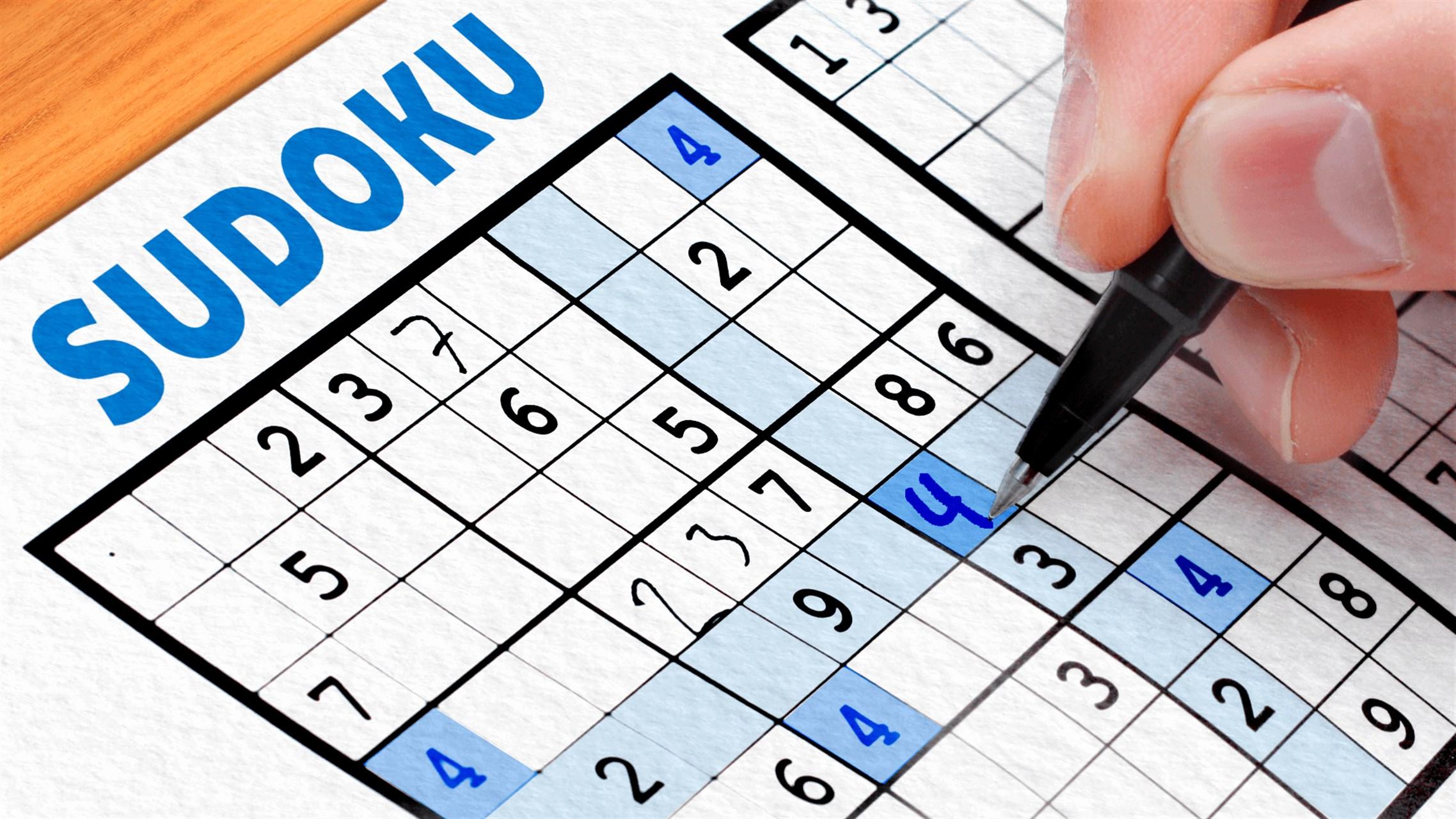
Not every Sudoku puzzle ends with a neat, satisfying solution. Some end with confusion, frustration, and an unfinished grid that stares back at me like it knows something I don’t. For a long time, those unfinished puzzles annoyed me more than they should have. Now, oddly enough, they’re my favorites.
This post is about one particular Sudoku puzzle I didn’t solve—and why it stuck with me.
When a Sudoku Puzzle Refuses to Cooperate
I remember the exact moment things went wrong.
Confidence at the Start
The puzzle looked manageable. Not easy, but fair. I filled in the obvious numbers quickly, feeling that familiar sense of control. Sudoku has a way of making you feel smart in the early stages.
I was relaxed. Maybe too relaxed.
The Sudden Wall
Then I hit it. No clear moves. No logical openings. I scanned rows, columns, boxes—nothing. The grid felt frozen.
Sudoku hadn’t become impossible. It had become patient.
The Temptation to Guess
This is where things usually fall apart.
Fighting the Urge to Rush
I wanted progress. Any progress. Guessing felt tempting, almost reasonable. “I’ll fix it later,” I told myself.
Sudoku punishes that mindset quietly.
Watching the Puzzle Collapse
A few moves later, contradictions appeared. Numbers conflicted. The grid lost its balance. The mistake wasn’t dramatic—it was subtle, and that made it worse.
Sudoku didn’t scold me. It simply stopped making sense.
Sitting With an Unfinished Puzzle
Normally, I would close the app and move on.
Choosing Not to Quit Immediately
This time, I didn’t. I stared at the broken puzzle longer than usual. Not to fix it—but to understand it.
Why did I rush? Why did silence in the grid make me uncomfortable?
Realizing Discomfort Is Informative
The absence of progress felt uncomfortable, but it wasn’t wrong. Sudoku was asking for patience, not action.
That realization didn’t solve the puzzle—but it shifted my attitude.
How Sudoku Redefined Patience for Me
I used to think patience meant waiting passively.
Patience as Active Attention
Sudoku taught me that patience is active. It’s scanning without forcing. Observing without demanding results.
Sometimes the best move is no move.
Letting the Puzzle Breathe
When I stopped pushing, patterns slowly emerged. Not immediately. Not dramatically. But gradually.
Sudoku rewards those who wait without disengaging.
Walking Away Was the Smartest Move
Eventually, I closed the puzzle—unfinished.
Leaving Without Frustration
For the first time, I didn’t feel annoyed. The puzzle wasn’t lost. It was paused.
That distinction mattered.
Returning With Fresh Eyes
The next day, the solution path appeared almost instantly. What felt impossible before now felt obvious.
Sudoku hadn’t changed. I had.
Why Failed Sudoku Puzzles Matter More Than Solved Ones
Solved puzzles feel good. Failed ones teach more.
Success Can Hide Bad Habits
When a Sudoku puzzle goes smoothly, I don’t question my process. Failure forces reflection.
Mistakes Reveal Patterns
That unfinished grid showed me how often I rush discomfort instead of sitting with it. That habit extends far beyond puzzles.
Applying the Lesson Outside the Grid
Sudoku rarely stays just a game for me.
Not Every Problem Needs Immediate Action
Some problems benefit from distance. From rest. From perspective.
Sudoku made that truth tangible.
Clarity Comes After Pause
Stepping away isn’t avoidance—it’s strategy. Whether it’s a puzzle or a decision, patience creates space for insight.
Why I Still Respect That Unfinished Puzzle
I never went back to fully complete that Sudoku grid.
It Served Its Purpose
The lesson mattered more than the solution. The puzzle did what it needed to do.
Not Everything Needs Closure
Sudoku reminded me that incomplete doesn’t mean unsuccessful.
Why I Keep Playing Sudoku
Even knowing it will frustrate me sometimes.
A Safe Place to Practice Patience
Sudoku lets me practice waiting, observing, and trusting logic—without real-world consequences.
Growth Without Pressure
No one sees my mistakes. No one judges my pace. Just me and the grid.
Final Thoughts
That failed Sudoku puzzle didn’t give me a win—but it gave me patience. And that turned out to be far more useful.
Categories
Read More
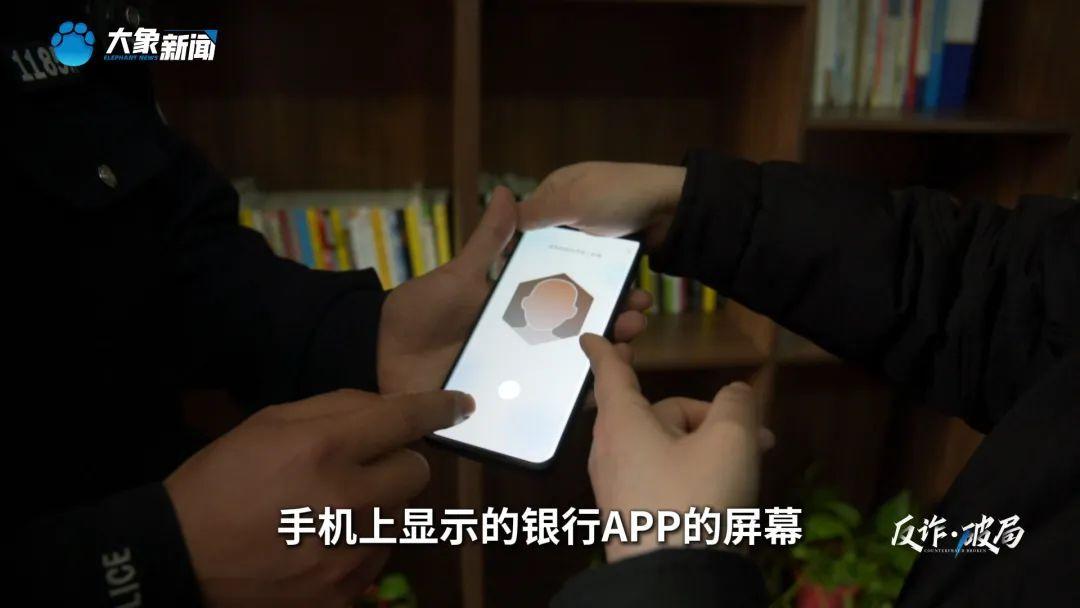
今年2月14日 洛阳的杨女士在家刷视频时 接到该短视频平台“客服”的电话 称其开通直播付费功能 每月扣880元 杨女士发现在设置里 直播付费功能确实开启 便信以为真 “客服”说必须下载另一个APP 在上面操作取消每月扣款 杨女士点击“客服”发来的短信链接 下载APP并注册登录 当杨女士正寻思着如何关闭付费服务时 突然 手机弹出自己的银行APP界面 要求刷脸登录 这时杨女士意识到不对想要退出网银APP 却发现手机已经失控无法操作 危急时刻 杨女士赶紧捂住手机摄像头 家人迅速报警 直到民警到场 与杨女士通话的“客服” 还在一直催促杨女士把手拿开 电话挂断后 民警对杨女士的手机强制关机 随后让杨女士修改银行卡及手机支付密码...
蔡英文獲得我父親的資助一事,在班級中早已傳為眾所周知。 她平時言辭微妙。 我爸不知情。 她將她刻畫成了一個形象——這位經濟狀況不佳,卻為了維持面子而勉力資助學生的葛朗臺式人物。 然而,她又吝於慷慨解囊,每次給予資助時總是猶豫不決,甚至動念想要拒絕。 可惜父親胸懷寬廣,猶如浩瀚的太平洋,儘管我已反復向他提及此事,他仍舊笑容滿面,漫不經心。 "我已年歲不輕,何必與孩童一般見識,你也無需太過在意。" 更多内容 :https://toutiao6.com/forums/thread/93/index
Life can get overwhelming, but thankfully, gaming offers creative ways to unwind. If you are looking for a quick, engaging, and visually stunning way to decompress right in your web browser, Solar Smash stands out as the perfect choice. As an online physics-based planetary simulator, it gives players total control over the fate of celestial bodies, transforming chaotic destruction into a...